
7 Australian Foundry Production Problems (And How Engineering Support Solves Them)
Posted on: 06/07/2026 Read time: 5 minutes
Most Australian foundries don’t lose performance overnight. They lose it gradually, through inconsistent moulds, unplanned downtime, and workflow bottlenecks that only surface when production is under pressure.
These issues are rarely isolated. They’re symptoms of a foundry system that isn’t integrated as tightly as it should be, where sand preparation, handling, layout, and downstream foundry machining aren’t working in sync.
This is where structured foundry engineering services make a measurable difference. Not by introducing complexity, but by bringing structure and clarity to how a foundry operates as a complete system.
Below, we break down the seven most common foundry production problems Australian operators face, the root causes behind them, and how an integrated engineering approach resolves each one.
Leussink delivers end-to-end foundry solutions across Australia and New Zealand, from system design and installation through to machining, spare parts, and operator training.
Backed by decades of hands-on industry knowledge, discover how we can support your foundry business.
Inconsistent Mould Quality and Casting Defects
These are the process variables that create problems for our engineering team when designing and integrating equipment.
The challenge is that these variables compound. A 2% variation in sand moisture can cascade into surface defects that only appear after machining, by which point the cost of the defect has multiplied.
Effective foundry process optimisation starts by stabilising the sand system itself, calibrating mixers, controlling environmental inputs, and building feedback loops that catch variation before it reaches the pour.
High Scrap Rates and Rework
Many Australian foundry operators accept a certain level of scrap as unavoidable. Over time, that baseline becomes normalised, even when it represents a significant and recoverable cost.
When scrap rates creep above industry norms (industry benchmarks suggest 3–5% for well-run Australian foundries), the cause usually sits upstream of the casting itself.
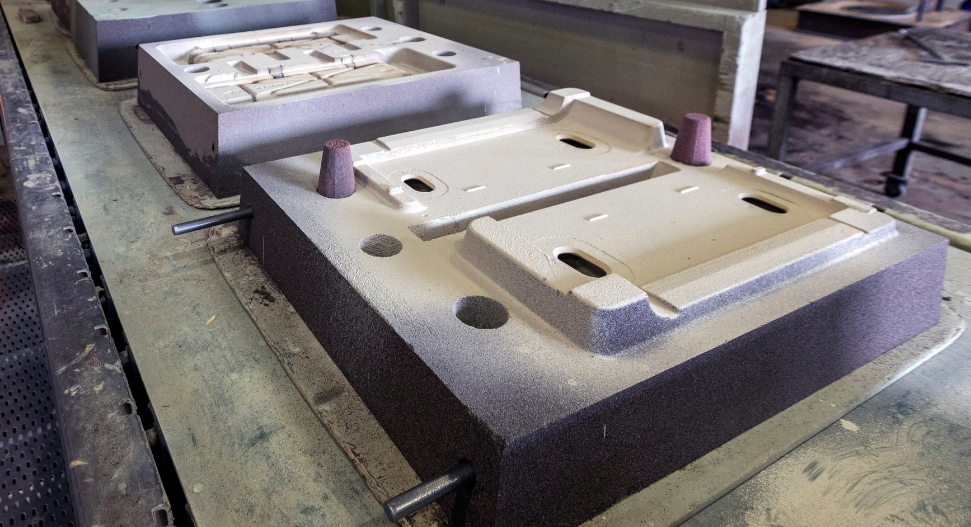
In most cases, elevated scrap can be traced back to three issues working in tandem: inconsistent mould preparation, poor process control between stages, and a lack of feedback between casting and finishing. Treating anyone in isolation rarely moves the needle.
A properly integrated foundry system reduces scrap by aligning casting, handling, and finishing into a single feedback-driven process. This is the core principle behind Leussink’s foundry engineering services, ensuring a coherent system to minimise scrap and rework.

Unplanned Downtime and Equipment Failures
Unplanned downtime is one of the most visible and disruptive foundry production problems, but its root cause often begins long before a machine actually stops.
In many cases, the issue materialises as a result of decisions made during installation, commissioning, or spare parts planning – sometimes years before the failure. This is particularly pronounced in Australia, where extended lead times on imported spares can turn a 4-hour fix into a 4-week shutdown.
Reliable foundry production depends on getting installation and support right from the beginning. This is why Leussink’s foundry machinery Australia support covers the full lifecycle – commissioning, operator handover, and local access to critical spares – so equipment failures don’t become production crises.
Inefficient Foundry Layout and Workflow Bottlenecks
It’s not uncommon for a foundry to outgrow its original layout. Equipment is added over time, workflows adapt, and eventually operators are working around the system rather than with it.
The cost isn’t always visible. It shows up as extra handling, short delays between stages, and output that never quite matches capacity on paper. Across a full production run, these inefficiencies compound into meaningful lost throughput.
Improving layout is less about rearranging equipment and more about understanding flow: how materials, components, and people move through the space. Well-planned foundry solutions take this into account from the outset, aligning layout with production goals rather than forcing production to adapt to layout constraints.
Poor Integration Between Casting and Foundry Machining
Foundry machining problems usually start at the casting stage. When datum placement, material allowance, or draft angles aren’t designed with machining in mind, the downstream cost is predictable: extra set-up time, more material removal, and tighter tolerance challenges.
The fix is upstream. Integrating machining requirements into casting design – known as Design for Machining – reduces rework and makes the casting-to-machining transition predictable.
By connecting casting decisions with CNC machining outcomes, Leussink’s comprehensive engineering services help foundries in Australia reduce total cycle time rather than optimising stages in isolation.
Lack of Operator Training
There’s a tendency to focus on machinery when discussing performance, but in practice, people play just as critical a role.
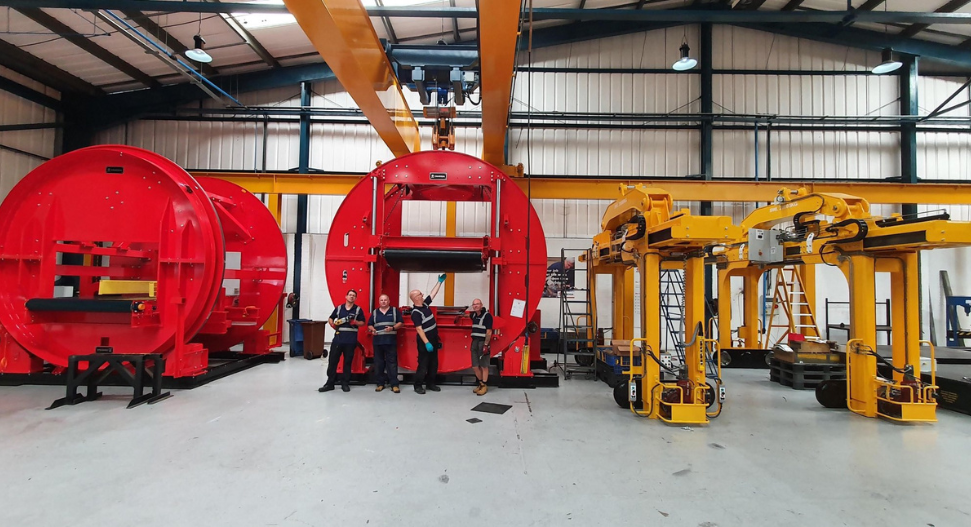
Without proper training and commissioning, even advanced foundry productions can fall short of their potential. Operators may rely on workarounds, processes may drift over time, and efficiency gains that were expected on paper never fully materialise.
Structured training bridges that gap. It ensures that equipment is used as designed, processes remain stable over time, and new hires ramp up faster. It’s one of the most underrated levers for improving foundry efficiency.
Difficulty in Scaling or Upgrading Foundry Operations
Growth is often seen as a straightforward step: adding more capacity increases output. But in reality, scaling an Australian foundry introduces new layers of complexity.
New equipment often doesn’t integrate cleanly with existing systems, workflows fragment, and inefficiencies that were manageable at lower volumes become genuine bottlenecks.
This is why foundry process optimisation is essential at every scaling decision. A cohesive approach – covering layout, integration, training, and support – ensures new capacity actually translates into new output.
Where Foundry Engineering Services Make the Difference
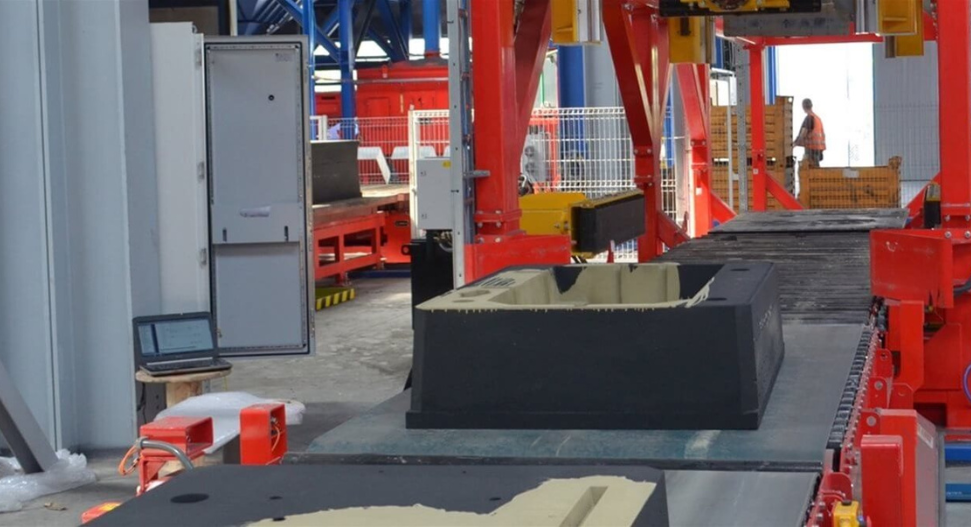
Across all seven problems, the pattern is consistent: the most effective improvements don’t come from fixing individual components – they come from treating the foundry as a single, integrated system.
For Australian foundries, this means working with a partner capable of looking beyond equipment supply. Leussink brings over 40 years of engineering experience in the design, installation and support of foundry systems – combining in-house machining, spare parts availability and on-site commissioning across Australia and New Zealand. The result is engineering support that works around how your foundry actually operates, not just how the
Frequently Asked Questions
What are Foundry Engineering Services?
What is Foundry Machining?
How Can Foundries Improve Efficiency?
What Causes Casting Defects in Australian Foundries?
How Can Foundries Reduce Downtime?
Other News
Small Parts Machining: Why Leussink Takes On the Small Jobs Too
Written by Stuart Ward, Sales and Marketing Manager at Leussink...
Written by Stuart Ward,...
Leussink Joins Omega Sinto Foundry Machinery at AFI 2026
Leussink will be at AFI 2026, the Australian Foundry Institute's...
Leussink will be at...

In-House vs Outsourced CNC Machining
In-House vs Outsourced CNC Machining: How to Make the Right...
In-House vs Outsourced CNC...
Casting CNC Machining
Why Casting CNC Machining Is Essential for Australian Foundries Precision...
Why Casting CNC Machining...
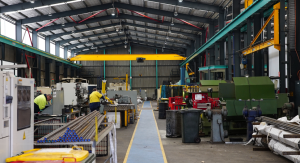
Why End-to-End Engineering Wins for Industrial Facilities
End-to-end engineering means working with one engineering partner across every...
End-to-end engineering means working...
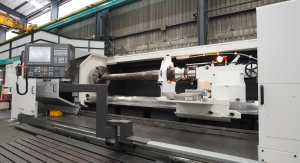
CNC Machining vs Manual Machining for Heavy Industry: When Each Method Wins
Quick Answer: CNC machining vs manual machining is a project-by-project...
Quick Answer: CNC machining...
Emergency CNC Machining: What Actually Happens When Critical Equipment Fails?
It’s 2am. A bearing on the main drive has failed,...
It’s 2am. A bearing...
7 Australian Foundry Production Problems (And How Engineering Support Solves Them)
Most Australian foundries don't lose performance overnight. They lose it...
Most Australian foundries don't...
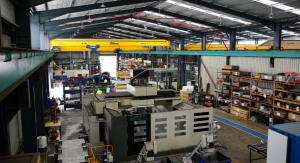
What Makes CNC Machining Essential for Heavy Industry Applications in Australia?
When a critical component fails in a mining operation or...
When a critical component...
How Does Large-Scale CNC Machining Handle Complex Component Production?
Large-scale CNC machining is not simply conventional CNC applied to...
Large-scale CNC machining is...