
CNC Machining vs 3D Printing: Which is Better for Australian Manufacturers?
Posted on: 10/06/2026 Read time: 5 minutes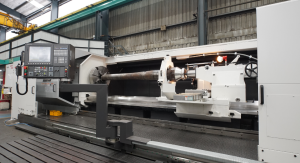
Australian manufacturers face a critical decision in 2026: CNC machining vs 3D printing — or more accurately, how to use both effectively.
As metal additive manufacturing matures and hybrid production models gain traction, understanding the difference between 3D printing and CNC machine processes is essential for maintaining competitiveness in mining, defence, steel production, and advanced manufacturing.
A common misconception is that this is an either–or decision. In reality, 3D printing and CNC machining are complementary technologies. The critical question is when each delivers the greatest technical, economic, and operational advantage.
This guide provides a practical framework tailored to Australian manufacturing conditions, helping you determine when CNC machining, additive manufacturing, or a hybrid workflow is most appropriate, and how Leussink’s precision CNC machining ensures your final components meet your exact specifications.
CNC Machining in Modern Australian Manufacturing
CNC machining remains the benchmark for production-grade manufacturing across Australia.
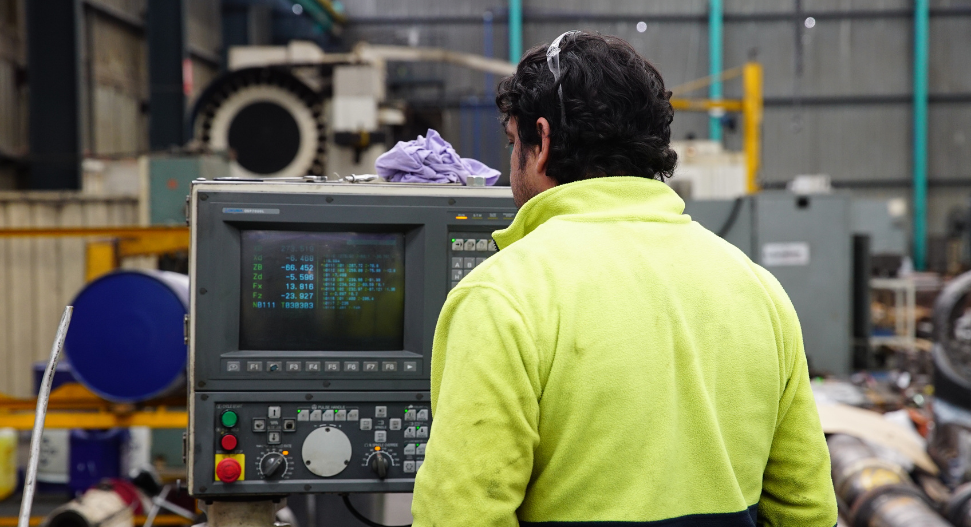
As a subtractive process, CNC removes material from a solid billet using computer-controlled cutting tools. Milling, turning, drilling and grinding operations produce parts with exceptional dimensional accuracy and repeatability.
Key advantages of CNC machining:
- Exceptional precision: ±0.025-0.05mm tolerances consistently
- Works with any rigid material: metals, plastics, composites, wood
- Superior as-machined surface finish
- High repeatability across medium to large production runs
- Cost-effective for production runs above 10-12 units
For applications where structural strength, fatigue resistance and certified material properties are non-negotiable, CNC machining remains the industrial standard.
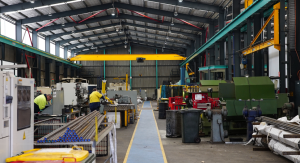
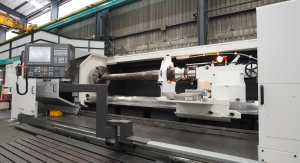
At Leussink Engineering, our 17 next-generation CNC machines — including Australia’s only Zayer Memphis 4000 — deliver precision machining backed by over 40 years of serving demanding Australian industries.
3D Printing in Industrial and Metal Additive Manufacturing
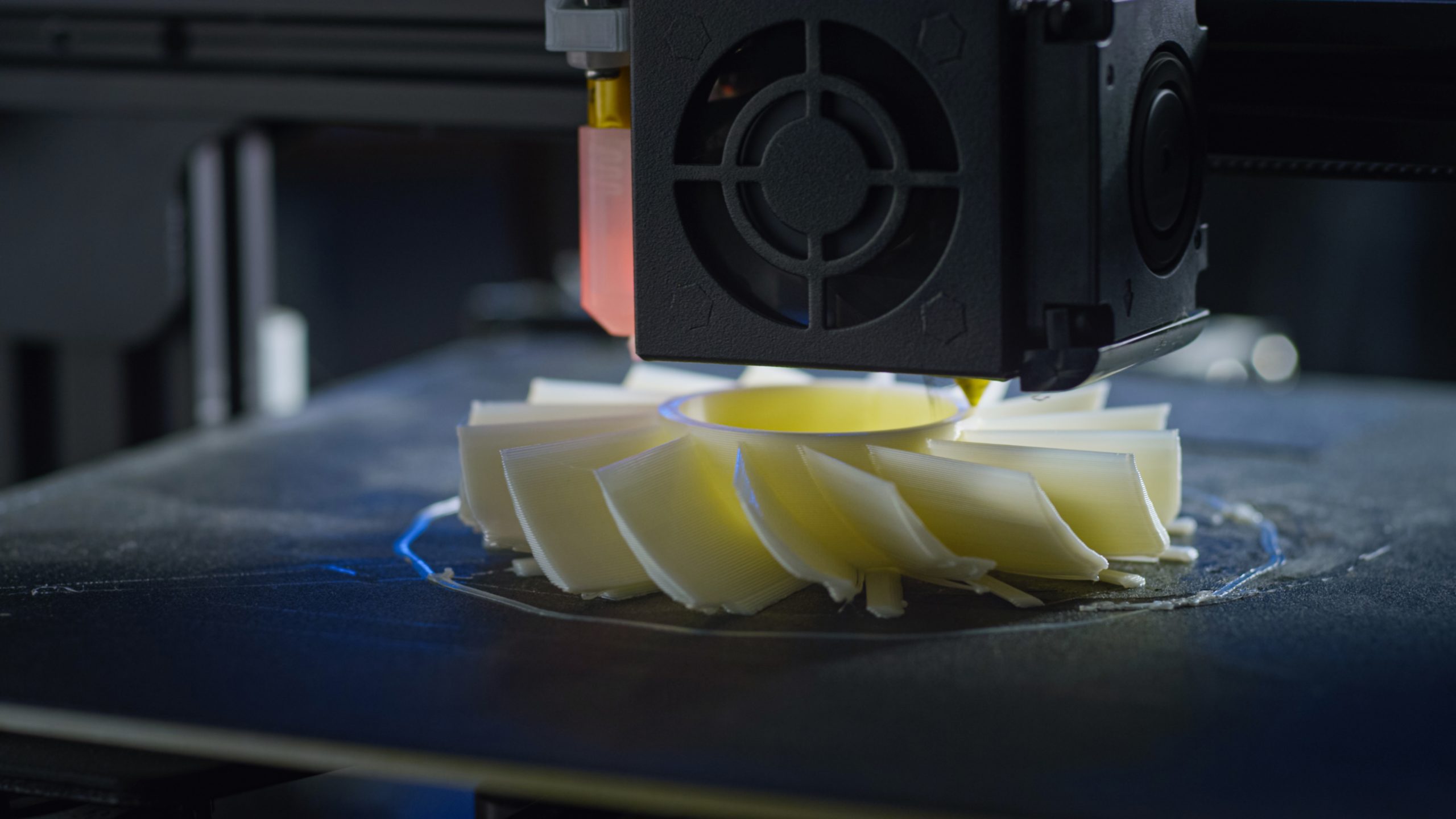
3D printing, or additive manufacturing, builds components layer by layer from digital designs. Unlike subtractive processes, it forms geometry by adding material rather than removing it.
In industrial settings, common technologies include:
- FDM (polymer parts)
- SLS (engineering polymers)
- DMLS and other forms of metal additive manufacturing
Key advantages of 3D printing:
- Ability to create complex internal channels and lattice structures
- Low setup costs and minimal tooling requirements
- Rapid prototyping capability
- Minimal material waste: 5–10% vs CNC’s 40–95%
However, typical tolerances of ±0.1–0.3mm and material anisotropy mean that additive manufacturing suits different applications than CNC machining.
When comparing additive manufacturing vs CNC, the distinction lies in structural integrity, precision control, and scalability, not simply geometric freedom.
3D Printing vs CNC Machining: 8 Key Differences for Australian Industry
When evaluating 3D printing vs CNC machining, manufacturers should consider the following technical distinctions:
| Factor | CNC Machining | 3D Printing |
| Precision | ±0.025–0.05mm | ±0.1–0.3mm |
| Materials | All rigid materials | Technology-specific |
| Part strength | Close to bulk material strength | Potential weakness along layer lines |
| Geometric complexity | Limited by tool access | Unlimited complexity |
| Material waste | 40–95% (recyclable) | 5–10% |
| Surface finish | Superior as-machined finish | Requires post-processing |
| Lead time | Longer setup + fast production | Fast setup + slower per part |
| Setup costs | Higher (tooling, programming) | Minimal (no tooling) |
The core difference between 3D printing and CNC machine processes lies in how geometry is formed: additive builds, CNC removes.
For manufacturers evaluating 3D printing vs machining in Australia, labour costs and post-processing requirements often shift the economics toward CNC machining as volumes increase.
Hybrid Manufacturing: The Australian Competitive Advantage
Forward-thinking manufacturers are moving beyond CNC machining vs 3D printing debates toward integrated workflows. Rather than viewing additive manufacturing vs CNC as competing technologies, the most effective strategy is often:
Design once → Prototype using 3D printing → Produce via CNC machining.
Leussink supports this transition through bespoke engineering design service.
Our team provides:
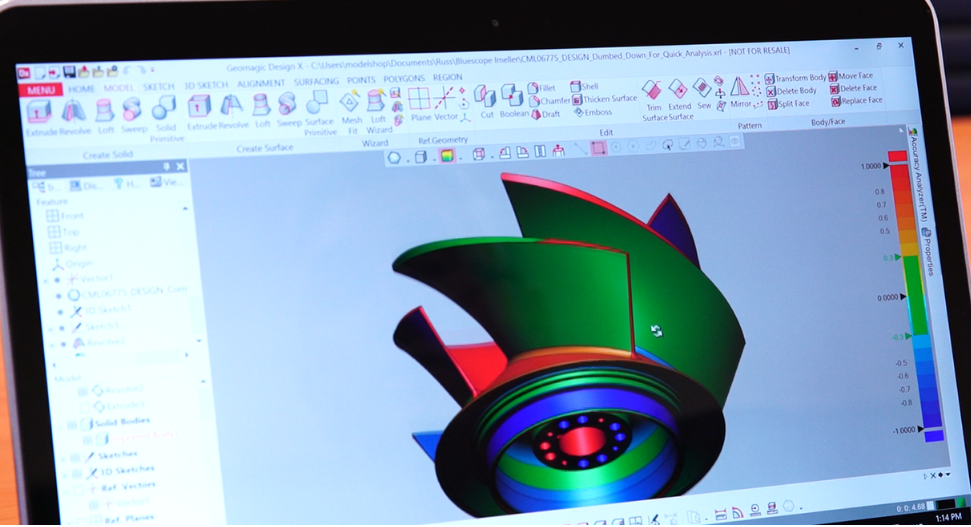
- 3D colour renderings to visualise concepts before manufacturing
- Files for 3D printing that you can send to additive manufacturing service providers for rapid prototyping
- 2D line drawings for documentation and production specifications
- CNC-optimised designs ready for production manufacturing in our facility
This approach ensures prototypes are created with production manufacturability in mind, eliminating costly redesign when transitioning from additive validation to CNC manufacture.
How to Choose Between 3D Printing and CNC Machining
When comparing a 3D printer vs CNC machine, decision-making should begin with four practical questions:
1. How Many Units Do You Need?
- Low volume (1–10 units):3D printing is often suitable
- Medium to high volume: CNC machining is typically more economical
2. What Tolerances Do You Require?
- ±0.1mm or tighter: CNC machining recommended
- Wider tolerances acceptable: Either technology is viable
3. How Complex is the Geometry?
- Internal channels and lattice structures: 3D printing advantage
- Conventional features: CNC is more efficient
4. Do You Need Certified Material Properties?
- Yes (mining, defence, critical applications):CNC machining preferred
- No (prototypes, non-critical parts):Either technology is suitable
Cost Realities for Australian Manufacturers in 2026
Cost comparisons must account for more than the per-unit price.
CNC Machining
- Higher initial programming and tooling costs
- Lower per-unit cost at moderate to high volumes
- Minimal finishing labour
3D Printing
- Minimal setup investment
- Higher per-unit production time
- Significant post-processing labour (particularly in metal additive manufacturing)
In the Australian market, skilled labour rates can materially impact the total cost of additive manufacturing finishing processes.
As a general guide:
- 1–10 units: 3D printing is often economical
- 10–50 units: Application-specific analysis required
- 50+ units: CNC machining typically delivers stronger cost efficiency
Australian Industry Applications: When to Use Each Technology
Mining and Resources:
- CNC: Wear components, crusher parts, structural assemblies
- 3D Printing: Custom tooling, low-volume specialised components
Defence and Aerospace:
- CNC: Certified, tolerance-critical components
- 3D Printing: Rapid prototyping and lightweight design validation
Steel Production:
- CNC: Mill components and furnace assemblies
- 3D Printing: Specialised fixtures and tooling
General Manufacturing:
- CNC: Production runs, precision assembly components
- 3D Printing: Custom jigs/fixtures, low-volume custom parts
Speak With Leussink About Your Manufacturing Strategy
If you are transitioning from prototype to production, scaling component volumes, or evaluating 3D printing vs CNC machining in Australia, Leussink’s engineering team can guide your decision.
With over 40 years supporting demanding industrial sectors, we deliver production-ready CNC machining backed by practical engineering expertise.
CNC Machining vs 3D Printing FAQs for Australian Manufacturers
What’s the Main Difference Between 3D Printing and CNC Machine Services?
Is CNC Better than 3D Printing for Metal Parts?
Is CNC Machining More Accurate than 3D Printing?
Which is More Cost-Effective for Short Runs?
Does Leussink Offer 3D Printing Services?
Can 3D Printing and CNC Machining Work Together in Product Development?
Other News
Small Parts Machining: Why Leussink Takes On the Small Jobs Too
Written by Stuart Ward, Sales and Marketing Manager at Leussink...
Written by Stuart Ward,...
Leussink Joins Omega Sinto Foundry Machinery at AFI 2026
Leussink will be at AFI 2026, the Australian Foundry Institute's...
Leussink will be at...
In-House vs Outsourced CNC Machining
In-House vs Outsourced CNC Machining: How to Make the Right...
In-House vs Outsourced CNC...
Casting CNC Machining
Why Casting CNC Machining Is Essential for Australian Foundries Precision...
Why Casting CNC Machining...
Why End-to-End Engineering Wins for Industrial Facilities
End-to-end engineering means working with one engineering partner across every...
End-to-end engineering means working...
CNC Machining vs Manual Machining for Heavy Industry: When Each Method Wins
Quick Answer: CNC machining vs manual machining is a project-by-project...
Quick Answer: CNC machining...
Emergency CNC Machining: What Actually Happens When Critical Equipment Fails?
It’s 2am. A bearing on the main drive has failed,...
It’s 2am. A bearing...
7 Australian Foundry Production Problems (And How Engineering Support Solves Them)
Most Australian foundries don't lose performance overnight. They lose it...
Most Australian foundries don't...
What Makes CNC Machining Essential for Heavy Industry Applications in Australia?
When a critical component fails in a mining operation or...
When a critical component...
How Does Large-Scale CNC Machining Handle Complex Component Production?
Large-scale CNC machining is not simply conventional CNC applied to...
Large-scale CNC machining is...